
About us
your co-op
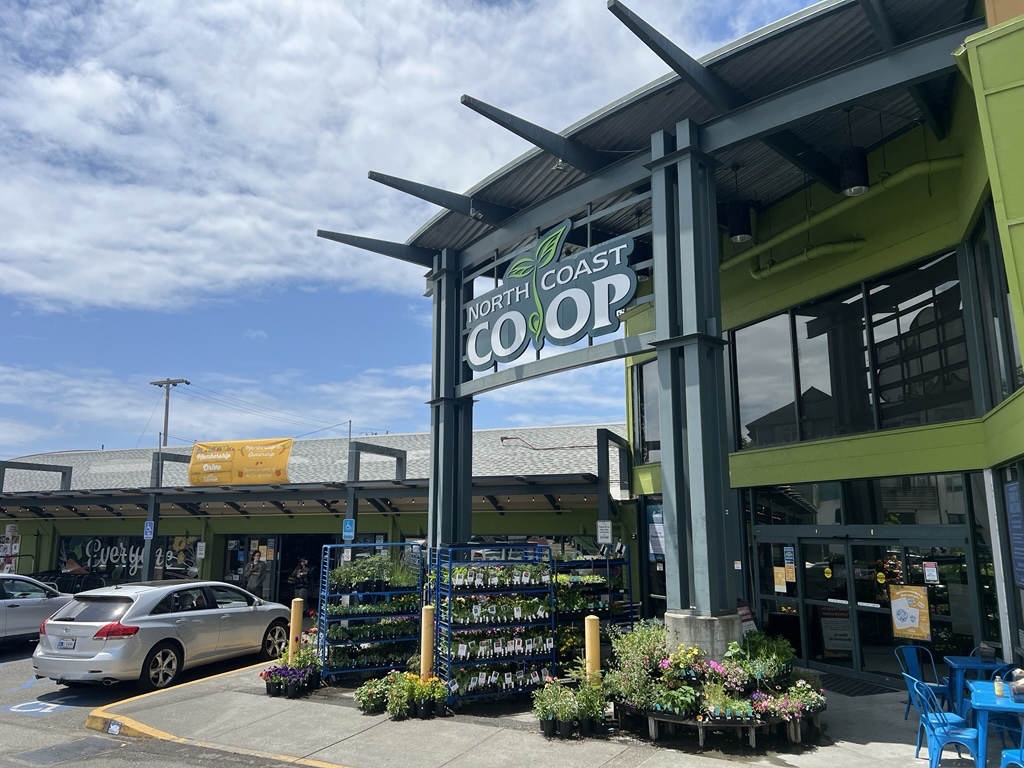
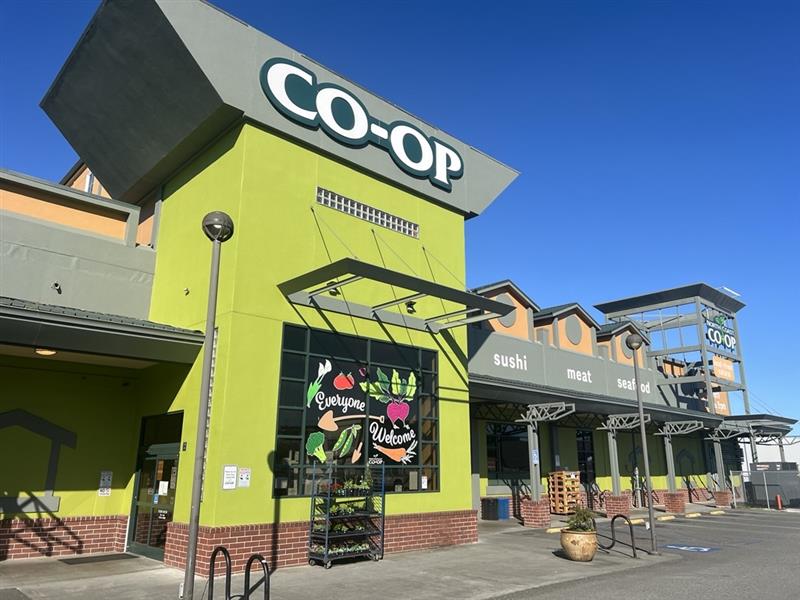
North Coast Co-op is a community-owned grocery cooperative operating in Humboldt County, California since 1973, with stores in Arcata and Eureka.
Owned by over 22,000 community members, we are committed to strengthening local food systems, carrying products we believe in, and operating our business in accordance with our triple bottom line: people, planet, and profit.
What is a co-op?
A cooperative, or co-op, is a user-owned business or organization that operates for the benefit of its owners. For a grocery co-op, that means we are collectively owned and governed by our shoppers!
Unlike privately owned businesses, where profits benefit a small number of investors, profits from co-ops are reinvested into the business or distributed back to their owners in the form of patronage refunds. Collective ownership ensures that profits made by co-ops serve only the interests of those who use the business and benefit the communities which they serve.
Learn more about what it means to be and owner and how to join here.
Mission Statement
North Coast Co-op is a member-owned organization guided by the cooperative principles. As a leader in our community we emphasize a diverse selection of products, while engaging members through consumer education, community building, and environmental responsibility.
Values
Cooperatives are based on the values of self-help, self-responsibility, democracy, equality, equity and solidarity. In the tradition of their founders, cooperative members believe in the ethical values of honesty, openness, social responsibility and caring for others.
Our Story
1972
Our Co-op began as Humboldt Common Market, a buying club in a downtown Arcata storefront.
1973
On August 24, 1973, we incorporated as Arcata Cooperative, Inc. and moved to the old Seely & Titlow building at 975 H Street
1978
We moved to our current Arcata location and reincorporated as North Coast Co-op.
1981
We opened North Coast Cooperative Warehouse (which later became WholeFood Express Distributing) at 1st and E Streets in Eureka.
1982
We opened First Street Food Co-op in the same building.
1988
We opened a third location in Fortuna, but it closed in 1992
1992
We sold WholeFood Express to Mountain People’s Warehouse (Which later became UNFI – our largest vendor).
1997
We opened the Eureka Co-op at 5th & L Streets
1999
We started our Cooperative Community Fund, a charitable arm of our co-op that provides support to the Community.
2002
We unionized with United Food and Commercial Workers (UFCW Local 5)
2006
Eureka Co-op relocated to our location at 4th & B Streets.
2023
We celebrated our 50th anniversary!
Cooperative Principles
Cooperative Principles are shared guidelines that co-ops around the world use to put their values into practice.
Voluntary and Open Membership
Cooperatives are voluntary organizations, open to all persons able to use their services and willing to accept the responsibilities of membership, without gender, social, racial, political or religious discrimination.
Democratic Member Control
Cooperatives are democratic organizations controlled by their members, who actively participate in setting policies and making decisions. The elected representatives are accountable to the membership. In primary cooperatives, members have equal voting rights (one member, one vote) and cooperatives at other levels are organized in a democratic manner.
Member Economic Participation
Members contribute equitably to, and democratically control, the capital of their cooperative. At least part of that capital is usually the common property of the cooperative. Members usually receive limited compensation, if any, on capital subscribed as a condition of membership. Members allocate surpluses for any or all of the following purposes: developing the cooperative, possibly by setting up reserves, part of which at least would be indivisible; benefiting members in proportion to their transactions with the cooperative; and supporting other activities approved by the membership.
Autonomy and Independence
Cooperatives are autonomous, self-help organizations controlled by their members. If they enter into agreements with other organizations, including governments, or raise capital from external sources, they do so on terms that ensure democratic control by their members and maintain their cooperative autonomy.
Education, Training, and Information
Cooperatives provide education and training for their members, elected representatives, managers, and employees so they can contribute effectively to the development of their cooperatives. They inform the general public — particularly young people and opinion leaders — about the nature and benefits of cooperation.
Cooperation Among Cooperatives
Cooperatives serve their members most effectively and strengthen the cooperative movement by working together through local, national, regional, and international structures.
Concern for Community
Cooperatives work for the sustainable development of their communities through policies approved by their members.